Building Intuitive Navigation Systems
How to structure information so users find what they need without thinking. We’ll explore mental models and navigation patterns that work.
Read ArticleWhy talking to actual users changes everything. Learn the methods that reveal what people really need, not what you think they need.
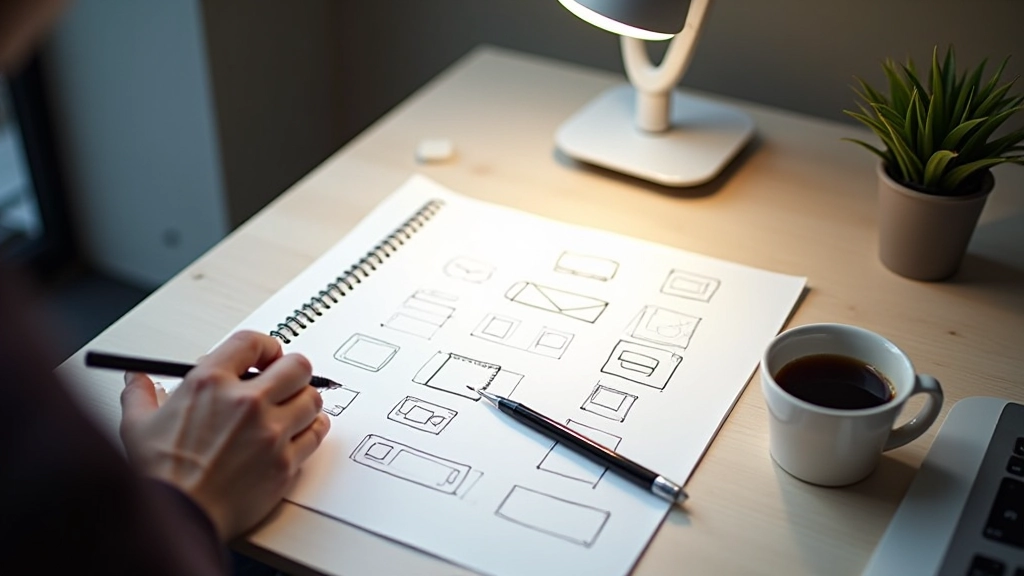
You’ve got an idea for a feature. It seems obvious. It’s clean, efficient, and makes perfect sense to you. Then you watch someone use it and they’re completely confused. Sound familiar?
This happens because we’re not our users. We’re too close to the problem. We know every detail, every workaround, every hidden button. Real people? They just want to get something done without friction.
That’s where user research comes in. It’s not about validation or confirming what you already believe. It’s about discovering the gaps between what you think people need and what they actually need. And that difference? It’s where great design happens.

Different questions need different approaches. Here’s what each method reveals and when to use it.
One-on-one conversations where you dig into how someone actually uses things. You’ll hear stories, frustrations, workarounds. This is where you discover the “why” behind behaviors. Takes 30-60 minutes per person. Best for understanding motivations and pain points deeply.
You watch people use your product or a competitor’s without interrupting. They do their actual work while you take notes. This reveals habits you wouldn’t think to ask about. Expect to notice things they wouldn’t even mention in interviews.
Quick questions to larger groups. Good for validation and spotting patterns across 50+ people. But don’t ask leading questions. Open-ended beats multiple choice. Can’t replace interviews, but complements them well.
Give someone a task and watch them try it with your design. “Find where to update your password” or “Add a new contact.” You’ll see exactly where they get stuck. Brutal honesty about what works and what doesn’t.
Research sounds formal. It doesn’t have to be. You don’t need a lab or special equipment. You need time, genuine curiosity, and willingness to listen without defending your ideas.
Start small. Five users is often enough to spot major issues. Recruit people who actually match your audience. If you’re designing for accountants, don’t test with designers. The mismatch ruins everything.
When you’re running a session, stay quiet. Let silence exist. When someone stops talking, resist the urge to fill the gap. They’re thinking. Ask follow-ups like “Tell me more about that” or “Why did you do it that way?” These open doors. Yes/no questions close them.
Record sessions when you can (with permission). You’ll miss details live. Reviewing footage later catches nuances you’d otherwise forget. Plus, showing video clips to your team is way more convincing than your summary.

Raw data means nothing. You need to extract patterns and real insights that drive design decisions.
After sessions, you’ll have notes and video. Now what? Look for patterns. Did three people struggle with the same thing? That’s a pattern. One person doing something weird might just be them being weird.
Find the contradictions too. Someone says they want feature X but never uses it. They say they hate the design but get their work done quickly. Real behavior matters more than stated preferences.
Create personas if it helps, but don’t obsess over them. The point is understanding who you’re designing for. If “Marketing Manager Sarah, 32, loves automation” helps your team remember users, great. If it becomes fiction, it’s useless.
Document findings in ways your team will actually read. A 50-page report? Nobody reads that. A one-pager with key insights and quotes? People reference it constantly.

Here’s the honest truth: good research feels like it slows you down. You spend time talking to people instead of sketching. But it actually accelerates design. Why? Because you’re solving the right problems.
Without research, you’ll design beautiful solutions to problems nobody has. You’ll iterate based on assumptions. You’ll spend weeks on features that users don’t want. It’s frustrating and wasteful.
With research, your designs have confidence. When someone questions a decision, you’ve got evidence. “We watched five users struggle with this. That’s why we changed it.” That lands differently than “I think this is better.”
Your team aligns faster too. When everyone’s heard the same user quote or watched the same usability test, you’re all solving for the same thing. Debates shift from opinion to “what did the research show?”
User research isn’t a box to check before design starts. It’s a conversation that happens throughout. You research, you design, you test, you learn, you iterate. The loop never stops.
Start today. Pick one method. Talk to three users. Watch them use something. Take notes. You’ll immediately see things you missed. That’s the moment design gets real.
Your users aren’t mysterious. They’re just people trying to get things done. Listen to them, and your designs will be better. That’s not optional. It’s essential.
This article provides educational information about user research methodologies and design practices. Specific outcomes, timelines, and results vary based on project scope, user groups, and organizational context. Research methods should be adapted to your unique situation and goals. For specialized research needs, consider consulting with professional UX researchers or design agencies.